You are using an outdated browser.
Please upgrade your browser to improve your experience.
|
|
News | Projects | Studio | Loci_City | Press | Contact | Fr | En |
| News | Projects | Studio | Loci_City | Press | Contact | Fr | En |
The Grand Palais is a living organism.
It is part of a broader ecosystem with which it communicates and interacts. The vital forces that inhabit it must guide us in renewing this place — enriching it without corrupting it.
This unique monument, made of stone, glass, and steel, is — like every element of our universe — composed of elementary particles bound together by forces and energy.
An energy that flows endlessly through the life cycles of both living and inert matter.
It is this animist idea — that places have a soul — that will allow us to build the world of tomorrow with greater humility and empathy.
The renewal of the Grand Palais is, above all, a reconnection: to the city, to the world, to both humans and non-humans from every horizon.

| Programme | Restructuring of the Grand Palais in Paris |
| Design team | Architects: Loci Anima and Sébastien Segers Designer: Matali Crasset Signage Design: Autobus Impérial Landscape Architect: Exit Lighting Designer: Observatoire International Acoustic Engineering: Avel Scenography: François Tourny Cost Consultant: Vpeas |
| Location | Winston-Churchill Avenue, Paris |
| Dates | 2021 Competition |
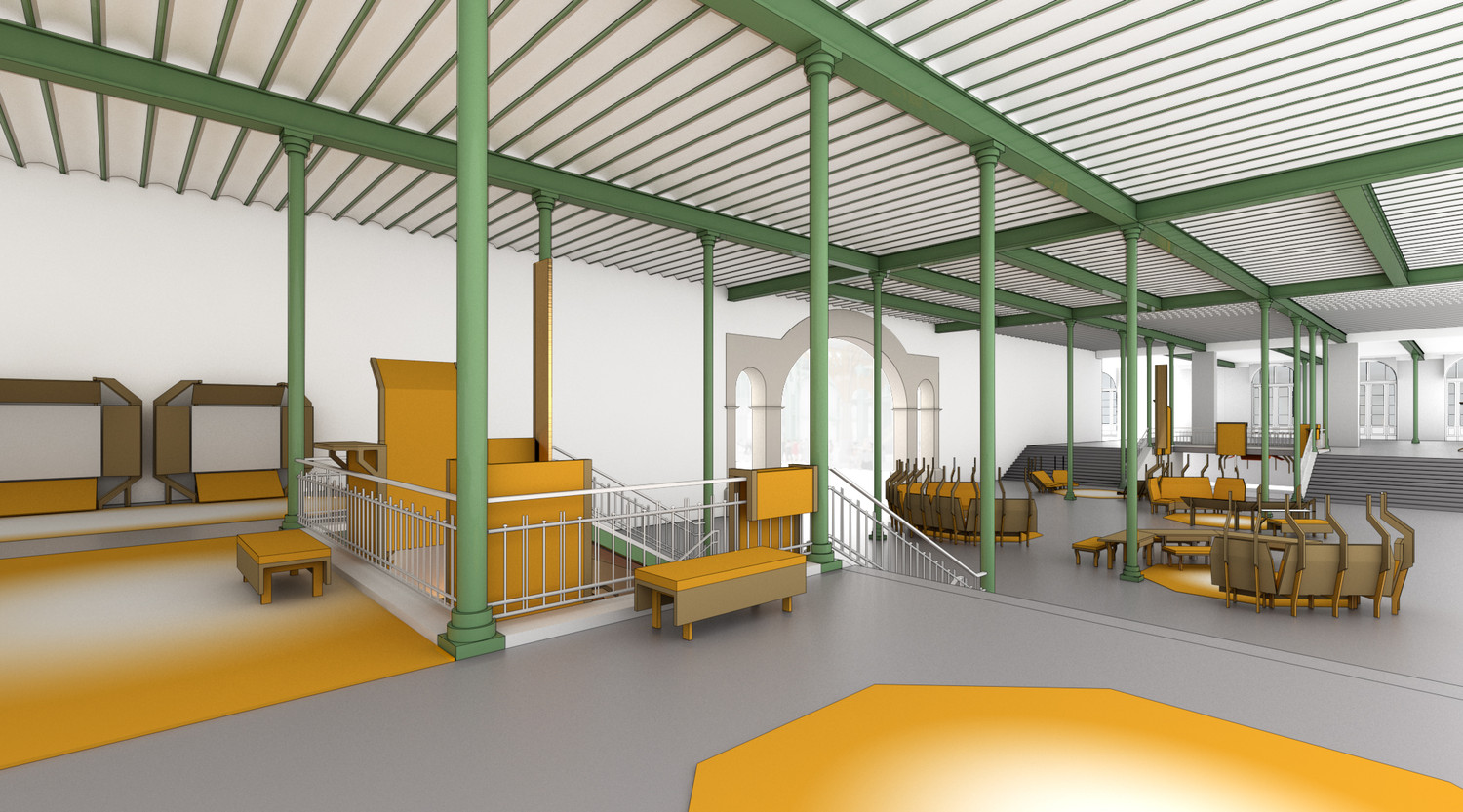
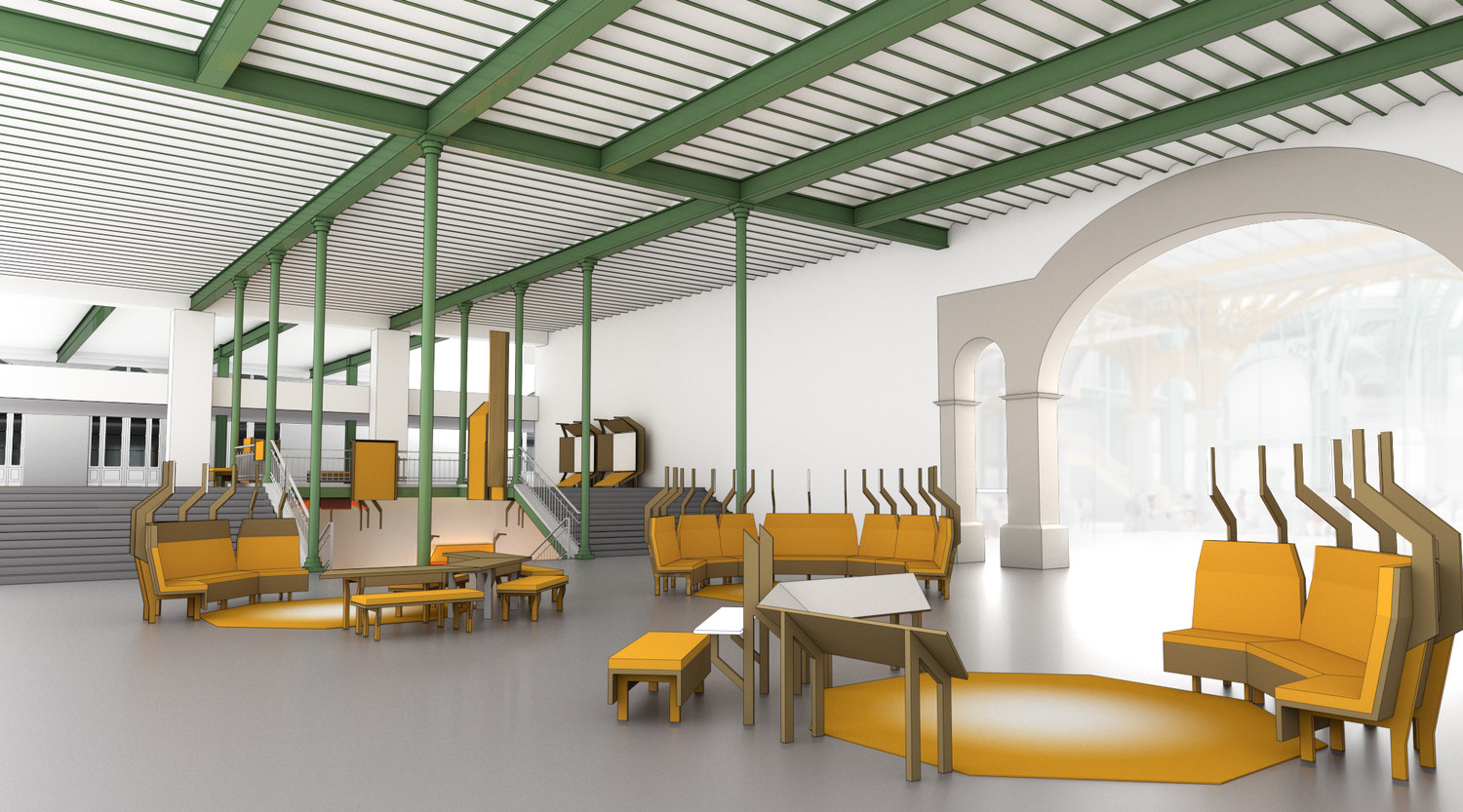
Through its intervention on the Grand Palais, Loci Anima engages in a process of heritage transmission and architectural innovation. This emblematic monument, deeply rooted in the collective imagination, is reinterpreted in a contemporary way that balances respect for the existing structure with openness to future uses.
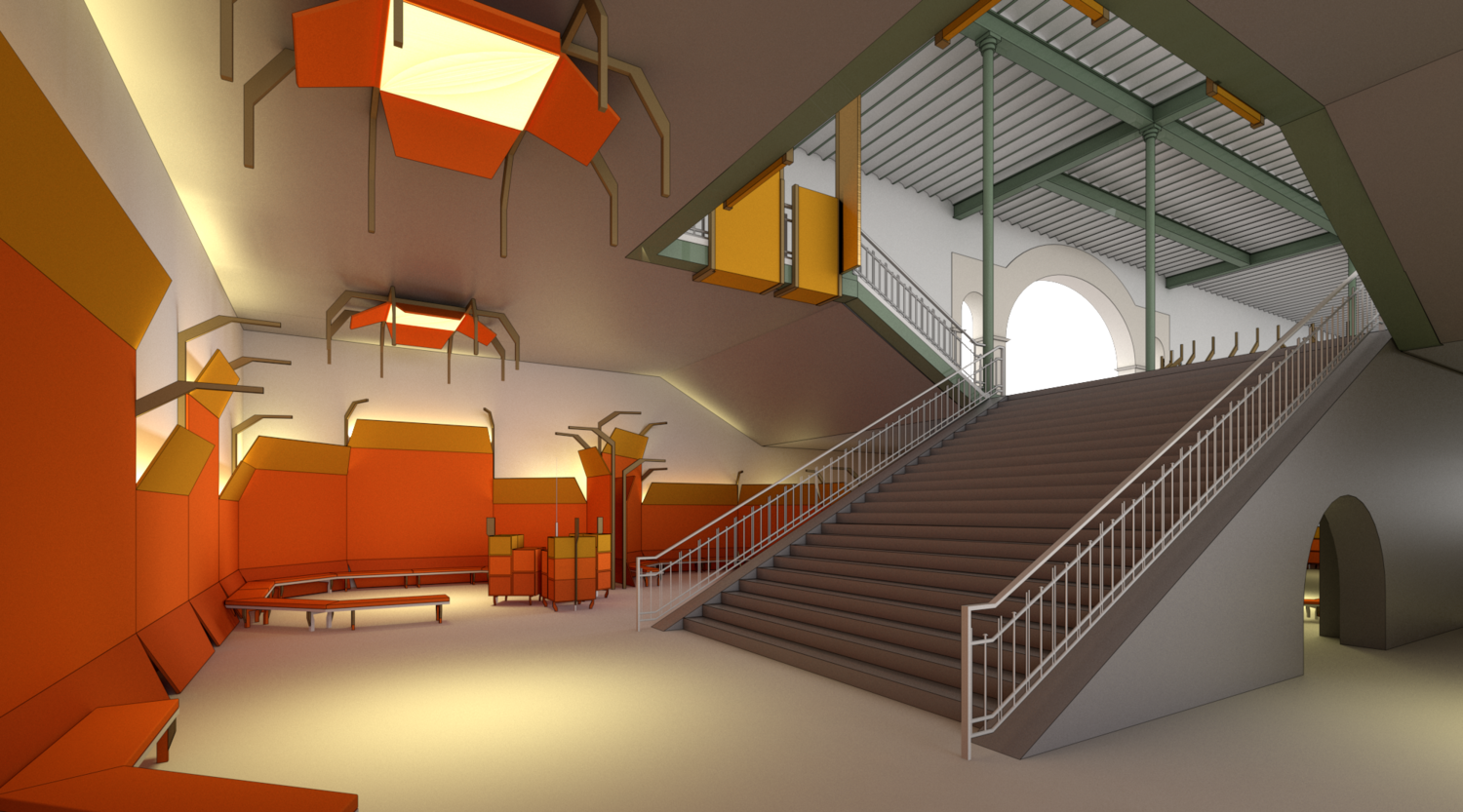
The project is built around a strong principle: to reveal without betraying. Historical structures are highlighted, volumes clarified, and visitor pathways made more fluid. Without ever masking the soul of the place, Loci Anima brings new legibility to the Grand Palais, enhancing its spatial and symbolic qualities.
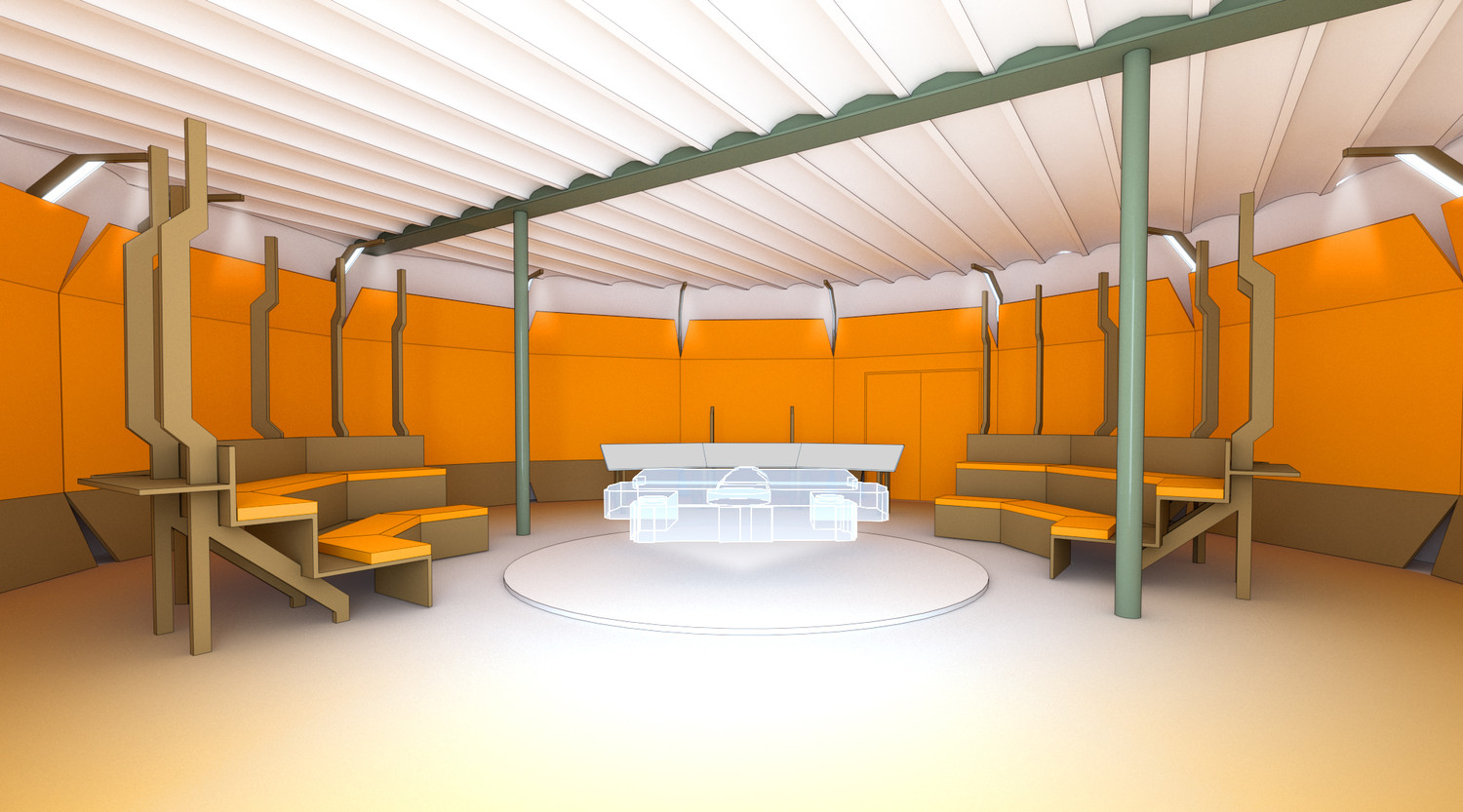
Sustainable materials, controlled transparency, natural ventilation systems, and carefully designed lighting schemes support a respectful and functional reinterpretation. The building once again becomes a place of culture, knowledge, and gathering—open to the city, its people, and future generations.
With this renovation, Loci Anima offers an architectural gesture that is both humble and ambitious: to bring life without freezing it, in constant dialogue between past, present, and future.